
Hormones, Hair & Hope: How to Keep Your Hair Strong Through Midlife
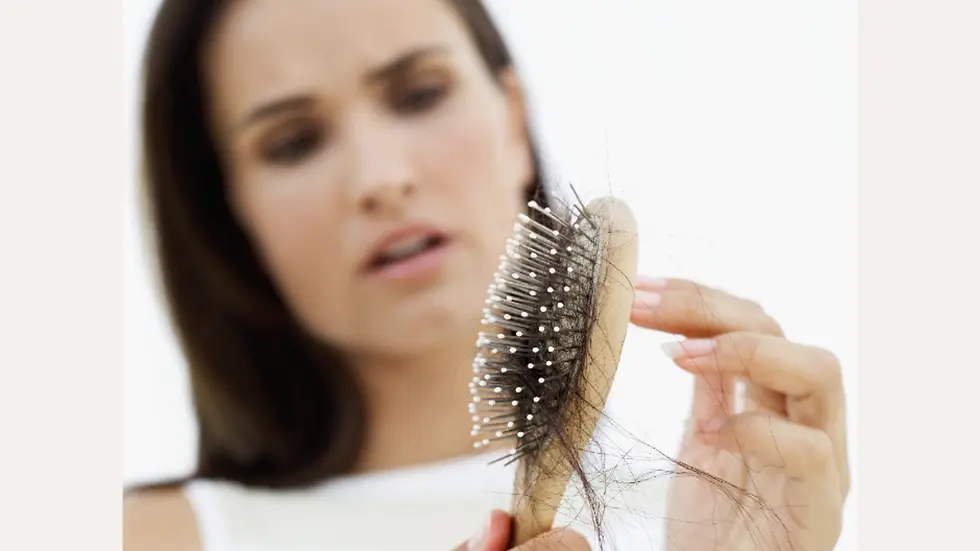
Have you been noticing more hair in your brush lately? ...or your ponytail isn’t quite as thick as it used to be — take a deep breath. You’re not imagining it, and you’re definitely not alone.
As stylists, we see this all the time. Women come in saying, “My hair just isn’t the same anymore — it’s finer, flatter, or just not growing like it used to.” And honestly? Hormones play a huge part in this story.
Let’s talk about what’s really happening — and what you can do to help your hair stay strong, full, and healthy through these hormonal changes.
💫 What’s Going On With Your Hair?
During perimenopause and menopause, estrogen and progesterone (the “good hair” hormones) start to drop. These hormones usually keep your hair in its growth phase longer and help it stay thick and shiny.
At the same time, testosterone — yes, we all have it — can become more dominant. That shift can increase levels of DHT (dihydrotestosterone), a hormone that can actually shrink your hair follicles over time. Smaller follicles = finer, weaker hairs that break or shed more easily.
It’s completely normal — but also very frustrating.

🚫 Common Pitfalls We See in the Salon
More hair shedding in the shower or on your brush
Thinner ponytails or widening part lines
Hair that feels drier, coarser, or just “different”
Scalp showing through in areas where it never used to
Feeling like nothing seems to make your hair “behave” anymore
Sound familiar? You’re definitely not the only one.
🌿 What You Can Do: Practical Tips That Actually Help
1. Focus on Scalp Health
Healthy hair starts with a healthy scalp. Try adding a gentle scalp scrub or exfoliating shampoo once a week to clear product buildup and boost circulation. Regular scalp massages (even just with your fingertips for a few minutes) can make a big difference, too!
2. Look for DHT-Blocking Products
Some ingredients can help reduce DHT’s impact on the scalp. Look for shampoos or serums that include:
Saw palmetto
Pumpkin seed oil
Caffeine
Green tea extract
Ketoconazole (in some medicated formulas)
We’ve seen great results with products that target DHT buildup — they can help protect your hair follicles and encourage thicker regrowth over time.
We love the ‘Heal’ range from Maria Nila - which helps with scalp issues as well as hair loss and is formulated with ingredients that help inhibit the DHT- causing enzyme.

3. Feed Your Hair from the Inside Out
Nutrition matters! Hair loves:
Protein (for strength)
Omega-3s (for shine and scalp hydration)
Iron, zinc, and vitamin D (for growth support)
A good hair-specific supplement or collagen powder can also give your strands an extra boost — just make sure you check with your doctor if you’re taking other medications.

4. Be Gentle
Avoid tight hairstyles, harsh brushing, or overusing hot tools. Opt for silk pillowcases, wide-tooth combs, and sulfate-free shampoos that won’t strip your hair’s natural oils.
5. Consider a Little Extra Help
If you’re seeing significant thinning, Minoxidil (Rogaine) is still one of the most effective options for regrowth. It’s available over the counter and can be a game-changer for some clients — just check with a dermatologist or trichologist to find what’s best for you.
💛 The Bottom Line
Perimenopause and menopause can bring big changes — but your hair doesn’t have to be one of the things that makes you feel less like yourself. With the right products, care, and a bit of patience, you can absolutely keep your hair healthy, strong, and full of life.
But also consider embracing some changes that your hair is going through a change of colour that is less stressful on the hair - such as moving away from bleach and moving into the territory of ammonia-free colour.

Considering a shorter haircut to revive a bit the hair is never a bad idea if one is experiencing hair loss - have a chat with your stylist - I am sure they will have ideas for you - and if they don’t maybe it is time to change your stylist!
If you’re noticing changes and want to talk about what might work best for your specific hair type or scalp, come chat with us in the salon! We love helping women navigate this stage with confidence.


Comments