
Winter-Proofing your locks: How, When, What?

Winter has a way of showing up in your hair before it shows up in your wardrobe. Ends feel rough. Colour looks flatter, curls lose bounce... and a smooth blow-dry can become fluffy by the time you reach the bus stop.
Cold air is not the only problem. The real winter stress comes from the mix of low humidity, central heating, hot showers, hats, scarves, wind and more frequent heat styling. Hair loses water faster, cuticles lift more easily, and fragile areas can snap if they are already weakened by colour, bleach, straightening and daily styling.
The good news is that winter hair care does not need to be complicated. The aim is simple: repair what is weak, replenish what is dry, and protect what is exposed. Brands such as Olaplex, Epres and Maria Nila fit well into a cold weather routine because they focus on bond support, softness, colour care and manageable texture.

Why winter is so hard on hair
Hair is made from keratin and protected by a cuticle layer. When that outer layer lies flat, hair feels smooth and reflects light. When it lifts, hair feels rough, tangles more, looks dull and loses moisture faster.
Winter can disturb that balance in several ways:
Cold, dry air pulls moisture from the hair fibre.
Central heating makes indoor air dry too, so hair gets little relief.
Hot showers can leave the scalp tight and the lengths dehydrated.
Wool hats and scarves create friction, which can roughen the cuticle.
Wind and rain cause tangling, swelling and shrinkage in textured hair.
More heat styling can make dryness and breakage worse.
Think of winter care as a coat for your hair. You still need your usual shampoo and conditioner, but you add layers: treatment, leave-in, oil or serum, and protective accessories.
Start with a simple winter hair audit
Before buying anything new, look at what your hair is actually doing. Winter damage can look similar across hair types, but it does not always need the same fix.
Run through these quick checks after wash day:
What you notice | What it may need |
Hair feels rough even after conditioner | More moisture and a richer mask |
Ends look see-through or split | A trim and better daily protection |
Hair snaps when brushed | Bond support and gentler detangling |
Colour looks dull | Colour-safe cleansing and gloss-boosting care |
Scalp feels tight or flaky | Milder washing and less heat at the roots |
Hair goes flat under hats | Lighter leave-ins and root-friendly styling |
This is where many winter routines go wrong. Dry hair does not always need heavy oils. Weak hair does not always need only moisture. Static hair does not always mean damage. A good cold-weather plan should match the problem rather than bury everything under product.
Build your wash day around repair and moisture
In warmer months, a quick shampoo and conditioner may be enough. In winter, wash day needs to do more work. It should clean without stripping, treat weak areas, restore softness and leave enough protection behind to last until the next wash.
Wash less aggressively
If hair feels dry, your first move should be to make cleansing kinder. That does not always mean washing less often, especially if your scalp gets oily or you use styling products. It means choosing a shampoo that suits your hair and using it mainly where it is needed.
Focus shampoo on the scalp. Let the lather run through the lengths as you rinse. Scrubbing the mid-lengths and ends can make fragile hair feel worse.
For colour-treated hair, Maria Nila is a useful brand to look at because many of its ranges are made with colour care in mind. The Maria Nila True Soft range suits hair that feels dry and thirsty, while Structure Repair is often chosen for hair that feels damaged or chemically treated. If your scalp gets uncomfortable in winter, the Head & Hair Heal range is excellent for scalp issues such as dry, flakey and itchy - Maria Nila Head & Hair Heal Shampoo also contains active ingredients that directly target the mechanisms of DHT-driven hair loss, making it a highly relevant option for menopausal hair thinning.

Add bond support before hair breaks
Bond-building products are not magic glue, but they can support hair that has been weakened by colouring, bleaching, heat styling or chemical services. Winter is a good time to use them because hair faces more friction and dryness than usual.
Epres Bond Repair Treatment is a great bond-repair option, from teh original scientists that invented Olaplex (Dr. Eric Presley) the product is often appreciated because it is designed as a spray-on treatment. It can be a good choice if you want something straightforward that does not make wash day feel too long.
A useful rule: use bond repair for strength, then conditioner or a mask for softness. Bond treatments do not replace moisture care. Hair can be stronger and still feel dry if you skip conditioning.

Treat conditioner as non-negotiable
In cold weather, conditioner should touch every part of the hair that rubs against coats, scarves or pillowcases. For most people, that means mid-lengths to ends. For curly, coily, bleached or long hair, it may mean almost all the hair except the scalp.
Use a wide-tooth comb in the shower once conditioner is in. Start at the ends. Work upwards slowly. Hair is more fragile when wet, so do not rake through knots.
Once or twice a week, swap your regular conditioner for a mask. True-Keratin post-treatment mask has always been a salon favourite.

Choose winter products by the job they do
A winter shelf can get crowded quickly. You do not need every treatment from every brand. Choose one product for each job and use it consistently.
Winter hair job | Product ideas | Best for |
Bond support | Epres Bond Repair Treatment | Bleached, highlighted, heat-styled or fragile hair |
Gentle cleansing | Olaplex Shampoo, Maria Nila True Soft or Head & Hair Heal shampoo | Hair that feels dry, damaged or scalp-sensitive |
Softness and Repair | True Keratin Moroccan Miracle, Maria Nila Structure Repair. Epres Shampoo & Conditioner. | The OG of silky shiny hair - these are the full fat versions of shampoo & conditioner. |
Leave-in / smoothing | True Keratin Blow-dry cream. Maira Nila Oil & Cream, Maria Nila heat spray. | Frizz, flyaways and blow-dry prep |
Shine and sealing | True Keratin hair serum, Maria Nila Cica Oil, Olaplex No.7 | Dry ends, static and winter dullness |
Colour refresh | Maria Nila Mirror Gloss Range, Lisap Masks: Colour Refresh | Tinted maintenance between salon visits |
Adjust your heat styling for cold weather
A hot blow-dry feels tempting on a cold morning, but winter hair usually needs less heat, not more. Going outside with damp hair is not ideal either, especially for fragile lengths, so the goal is controlled drying.
Try this winter approach:
Blot, do not rub
Use a microfibre towel or soft cotton T-shirt. Press water out gently.
Apply heat protection
Use a leave-in product suited to your texture and style. Make sure it is distributed evenly.
Rough-dry the roots first
Keep the dryer moving. Avoid blasting the ends while they are dripping wet.
Use medium heat where possible
High heat is rarely needed for the full blow-dry.
Finish with cool air
This helps set the shape and can leave the surface looking smoother.
If you use straighteners or tongs, keep them for the final polish rather than the whole style. One clean pass on properly dried hair is kinder than repeated passes on hair that is still puffy or damp.
Protect your hair from hats, scarves and collars
Accessories can either protect your hair or quietly damage it. The difference is usually lining, fabric and fit.
A rough wool hat can cause static and friction, especially around the crown and hairline. A satin-lined beanie is a better winter option because it reduces rubbing. If you already love a wool hat, wear a silk or satin scarf underneath.
Scarves are another hidden culprit. Hair trapped under a thick scarf can mat at the nape, especially if it is curly, long or textured. Before putting on a scarf, gather hair into a loose low bun, braid or claw clip style. This keeps ends from grinding against fabric.
Good winter hair accessories include:
Satin-lined hats
Silk or satin scrunchies
Claw clips with smooth edges
Microfibre towels
Wide-tooth combs
Silk or satin pillowcases
Soft headbands that do not grip the hairline too tightly
The dreaded and highly unflattering silk bonnet!

Tweak the routine for your hair type
Winter care works best when it respects texture and density.
Fine hair
Fine hair can get dry and static but still become greasy quickly. Use lightweight conditioner from mid-lengths to ends, not at the roots. Choose a light leave-in spray or a pea-sized amount of cream. Keep oils minimal.
A satin-lined hat can help reduce flyaways without needing more product.
Thick hair
Thick hair often needs more sectioning. Apply conditioner and masks in layers, not just over the surface. Use enough product that the inner sections feel slippery too.
A weekly mask will usually make more difference than adding lots of styling product on dry hair.
Curly and coily hair
Cold weather can reduce definition and increase shrinkage, dryness and tangling. Prioritise moisture, slip and protective styling. Loose twists, braids, buns and scarf wraps can help protect the ends.
Avoid going outside with wet curls in cold weather when possible. Diffuse gently or wash earlier in the day so the hair can dry fully.
Bleached or colour-treated hair
Bleached hair needs both bond care and moisture. Use a bond treatment regularly, then follow with a rich conditioner or mask. Keep heat styling lower and use colour-safe products.
Maria Nila Colour Refresh can be useful between salon appointments if you already use tinted conditioners, but choose shades carefully or rather - ask your stylist!
Know when hair needs a trim, not another product
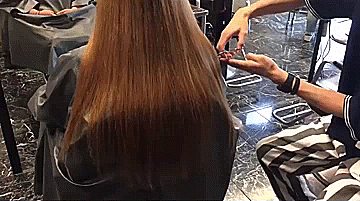
Winter routines can improve softness and reduce breakage, but they cannot permanently mend split ends. If your ends are splitting, catching on clothes or turning transparent, book a trim. Even a small tidy-up can make treatments work better because damaged ends will not keep travelling upwards.
The best ritual is the one you will repeat. If you only change three things this winter, make them these: add a weekly repair treatment, use conditioner or a mask generously, and protect your hair from friction before you leave the house.
Cold weather does not have to mean brittle ends, flat colour and static flyaways. With the right mix of repair, moisture and soft accessories, your hair can come through winter looking smoother, stronger and far easier to manage.


Comments